软盒硬盒并排,客人一摸就懂 Soft Box, Hard Box: Side by Side, She Gets It
客人来挑包装,最怕销售在旁边讲一堆参数她还是没概念。盒这种东西,说一百句挺括、软塌,不如把两只盒子往台面上一并排,她伸手一摸,差别自己就出来了。
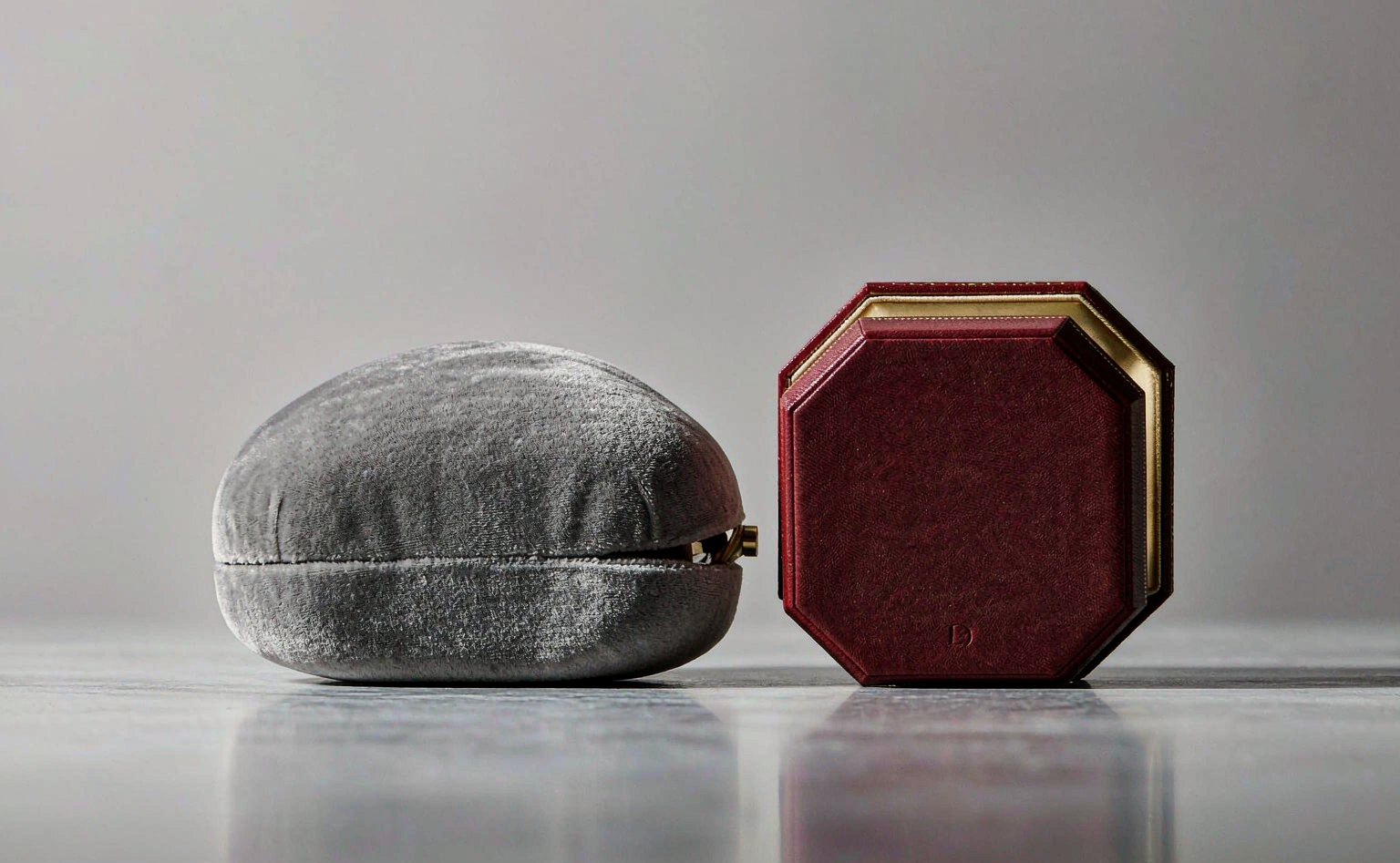
我们盛艺祥常备两只对比样:一只灰色圆角面包形首饰装盒ZBH8,一只八角红色首饰盒ZBH1。ZBH8是圆角面包形,盒胚塑胶、外覆植绒绒布,捏在手里是软乎乎、能回弹的那类手感,80×80×35mm的尺寸刚好攥在掌心;ZBH1是八角硬朗造型,同样塑胶盒胚但棱角分明、挺得起来,红色那版最压场。两只都支持烫金、压纹和LOGO定制,内衬都是植绒绒布,适配戒指、吊坠、耳钉、手链。
挑盒的客人一般分两类。一类要送人、要体面,指尖在ZBH1的八角硬边上敲两下,听着那点闷实的回弹,基本就定了——硬盒撑得起场面;另一类自己收、图轻便好收纳,捏捏ZBH8的圆角软边,知道能压能挤不塌,反而更合心意。
 并排摆还有个好处:客人不会拿贵不贵当唯一标准。她摸过两只,先问的是我这条链配哪种,而不是哪个便宜。这时候再讲定制——MOQ小单500、大单2000起,颜色米白黑酒红都能做,烫金压纹随她选,话题就从比价转成了搭配。
门店里我习惯把两只都打开,ZBH8掀开是软绒裹着的安静,ZBH1掀开是八角框住的那块亮。同一件戒指放进去,硬盒显得郑重,软盒显得亲昵,客人一下就明白自己要的是哪种场合。
只摆硬盒,轻需求客人会觉得太正式、没必要;只摆软盒,送人客又嫌不够分量。两只并排,是把选择主动权交还给客人,她自己摸到边界,反而不纠结。我们门店常备这两只做摸得到材质的陈列,比挂一墙样品图管用得多。
前阵子有个客人,线上看中一只软盒,到店却拿不定主意。我把ZBH1也摆出来让她比对,她捏完八角硬边,反而说送我妈还是这个踏实。要是那天只摆软盒,这单可能就黄了。盒子不是越软越讨喜,得看它要去哪儿。
两只盒内衬都是植绒绒布,但手感走向不同。ZBH8的绒随圆角弯,摸起来软糯;ZBH1的绒绷在八角硬框上,按下去有回弹的韧劲。同一双手,两样体感,客人一对比就分清了裹和托的差别。
包装这行,很多时候不是卖盒子,是帮客人把送出去什么分量先摸清楚。
并排摆还有个好处:客人不会拿贵不贵当唯一标准。她摸过两只,先问的是我这条链配哪种,而不是哪个便宜。这时候再讲定制——MOQ小单500、大单2000起,颜色米白黑酒红都能做,烫金压纹随她选,话题就从比价转成了搭配。
门店里我习惯把两只都打开,ZBH8掀开是软绒裹着的安静,ZBH1掀开是八角框住的那块亮。同一件戒指放进去,硬盒显得郑重,软盒显得亲昵,客人一下就明白自己要的是哪种场合。
只摆硬盒,轻需求客人会觉得太正式、没必要;只摆软盒,送人客又嫌不够分量。两只并排,是把选择主动权交还给客人,她自己摸到边界,反而不纠结。我们门店常备这两只做摸得到材质的陈列,比挂一墙样品图管用得多。
前阵子有个客人,线上看中一只软盒,到店却拿不定主意。我把ZBH1也摆出来让她比对,她捏完八角硬边,反而说送我妈还是这个踏实。要是那天只摆软盒,这单可能就黄了。盒子不是越软越讨喜,得看它要去哪儿。
两只盒内衬都是植绒绒布,但手感走向不同。ZBH8的绒随圆角弯,摸起来软糯;ZBH1的绒绷在八角硬框上,按下去有回弹的韧劲。同一双手,两样体感,客人一对比就分清了裹和托的差别。
包装这行,很多时候不是卖盒子,是帮客人把送出去什么分量先摸清楚。
 本文为原创内容,版权归盛艺祥所有。如需转载请注明出处。
盛艺祥(Shengyixiang)——高端珠宝包装设计与定制专家。 When a customer comes to pick packaging, the last thing she wants is a salesperson rattling off specs she can't picture. You can say rigid or soft a hundred times; it means nothing until you put two boxes side by side on the counter. She reaches out, touches both, and the difference explains itself. At Shengyixiang we keep two contrast samples on hand: a grey round-corner bread-shaped jewelry box, the ZBH8, and an octagonal red jewelry box, the ZBH1. The ZBH8 is rounded and loaf-shaped, a plastic blank wrapped in velvet, with that soft, springy give when you squeeze it—80x80x35mm, just right to cup in a palm. The ZBH1 is sharp and octagonal, same plastic blank but crisp edges that hold their shape, and the red version commands the table. Both take gold stamping, embossing, and custom logos; both line with velvet; both fit rings, pendants, studs, and bracelets. Customers who pick boxes usually split in two. One type is buying a gift and wants presence—she taps the octagonal hard edge of the ZBH1, hears that solid, muted rebound, and that settles it; a hard box carries the occasion. The other type is buying for herself and wants something light and storable—she pinches the round soft edge of the ZBH8, sees it flex without collapsing, and likes it more.
Side by side does one more thing: the customer stops treating price as the only question. After touching both, she asks which suits my chain instead of which is cheaper. That is the moment to talk customization—MOQ from 500 for small runs, 2000 for bulk, colors in cream, black, burgundy, gold stamping and embossing whatever she likes. The conversation moves from comparison to matching.
In the store I open both. The ZBH8 opens to quiet, velvet-wrapped calm; the ZBH1 opens to that bright square of light framed by eight edges. Drop the same ring into each and the hard box looks solemn, the soft box looks intimate—she instantly knows which occasion she is shopping for.
Show only the hard box and the light-need buyer thinks too formal, unnecessary; show only the soft box and the gift buyer thinks not enough weight. Two together hand the decision back to her—she feels the boundary herself and stops hesitating. We keep these two as our touch-the-material display, and it works far better than a wall of product photos. This business is rarely about selling a box; it is about helping the customer feel, in her hands, exactly what weight she is giving.
This is original content. Copyright belongs to Shengyixiang.
Shengyixiang — your expert in high-end jewelry packaging design & customization.
返回资讯列表
Back To News List
并排摆还有个好处:客人不会拿贵不贵当唯一标准。她摸过两只,先问的是我这条链配哪种,而不是哪个便宜。这时候再讲定制——MOQ小单500、大单2000起,颜色米白黑酒红都能做,烫金压纹随她选,话题就从比价转成了搭配。
门店里我习惯把两只都打开,ZBH8掀开是软绒裹着的安静,ZBH1掀开是八角框住的那块亮。同一件戒指放进去,硬盒显得郑重,软盒显得亲昵,客人一下就明白自己要的是哪种场合。
只摆硬盒,轻需求客人会觉得太正式、没必要;只摆软盒,送人客又嫌不够分量。两只并排,是把选择主动权交还给客人,她自己摸到边界,反而不纠结。我们门店常备这两只做摸得到材质的陈列,比挂一墙样品图管用得多。
前阵子有个客人,线上看中一只软盒,到店却拿不定主意。我把ZBH1也摆出来让她比对,她捏完八角硬边,反而说送我妈还是这个踏实。要是那天只摆软盒,这单可能就黄了。盒子不是越软越讨喜,得看它要去哪儿。
两只盒内衬都是植绒绒布,但手感走向不同。ZBH8的绒随圆角弯,摸起来软糯;ZBH1的绒绷在八角硬框上,按下去有回弹的韧劲。同一双手,两样体感,客人一对比就分清了裹和托的差别。
包装这行,很多时候不是卖盒子,是帮客人把送出去什么分量先摸清楚。
本文为原创内容,版权归盛艺祥所有。如需转载请注明出处。盛艺祥(Shengyixiang)——高端珠宝包装设计与定制专家。 When a customer comes to pick packaging, the last thing she wants is a salesperson rattling off specs she can't picture. You can say rigid or soft a hundred times; it means nothing until you put two boxes side by side on the counter. She reaches out, touches both, and the difference explains itself. At Shengyixiang we keep two contrast samples on hand: a grey round-corner bread-shaped jewelry box, the ZBH8, and an octagonal red jewelry box, the ZBH1. The ZBH8 is rounded and loaf-shaped, a plastic blank wrapped in velvet, with that soft, springy give when you squeeze it—80x80x35mm, just right to cup in a palm. The ZBH1 is sharp and octagonal, same plastic blank but crisp edges that hold their shape, and the red version commands the table. Both take gold stamping, embossing, and custom logos; both line with velvet; both fit rings, pendants, studs, and bracelets. Customers who pick boxes usually split in two. One type is buying a gift and wants presence—she taps the octagonal hard edge of the ZBH1, hears that solid, muted rebound, and that settles it; a hard box carries the occasion. The other type is buying for herself and wants something light and storable—she pinches the round soft edge of the ZBH8, sees it flex without collapsing, and likes it more.
Side by side does one more thing: the customer stops treating price as the only question. After touching both, she asks which suits my chain instead of which is cheaper. That is the moment to talk customization—MOQ from 500 for small runs, 2000 for bulk, colors in cream, black, burgundy, gold stamping and embossing whatever she likes. The conversation moves from comparison to matching.
In the store I open both. The ZBH8 opens to quiet, velvet-wrapped calm; the ZBH1 opens to that bright square of light framed by eight edges. Drop the same ring into each and the hard box looks solemn, the soft box looks intimate—she instantly knows which occasion she is shopping for.
Show only the hard box and the light-need buyer thinks too formal, unnecessary; show only the soft box and the gift buyer thinks not enough weight. Two together hand the decision back to her—she feels the boundary herself and stops hesitating. We keep these two as our touch-the-material display, and it works far better than a wall of product photos. This business is rarely about selling a box; it is about helping the customer feel, in her hands, exactly what weight she is giving.
This is original content. Copyright belongs to Shengyixiang.Shengyixiang — your expert in high-end jewelry packaging design & customization.