珠宝首饰盒设计方案:翻盖丝绒首饰盒的规格与内衬工艺盛艺祥 · 行业资讯
珠宝首饰盒设计方案:翻盖丝绒首饰盒的规格与内衬工艺 Jewelry Box Design: Specifications and Lining Craft of Velvet Flip-Lid Boxes
翻盖丝绒首饰盒是珠宝包装里最经典也最耐用的品类,从几十元的银饰到上万元的钻戒,都能找到它的身影。它的优势在于结构简单、开合方便、内衬保护到位,但正因为常见,很多品牌反而忽略了规格与工艺上的讲究。一只合格的翻盖丝绒首饰盒,规格要对得上产品,内衬要护得住产品,缺一环都算不上好设计。本文从盒体规格、内衬结构、面料工艺与定制要点四个方面,拆解这类首饰盒的设计方案。
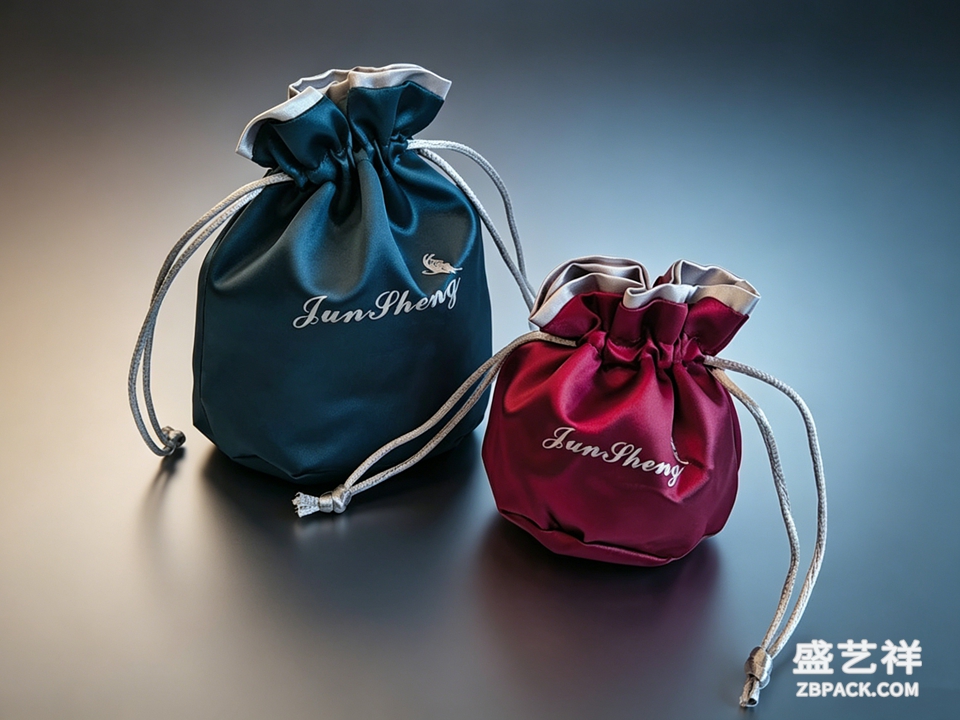 规格设计的第一原则是"量物定盒"。首饰盒的尺寸不是越大越显档次,而是越贴合产品越显精致。戒指盒的内径如果比戒指大出太多,戒指在盒内晃动,开盒瞬间观感就差了一截;吊坠盒的深度如果不足,坠头会顶起盒盖,长期使用后盒盖变形。常见的规格参考是:单戒位盒内径四厘米乘四厘米、深二点八厘米,连戒托带戒圈刚好嵌入海绵槽;吊坠盒按坠面直径加一厘米定内径,深度保证坠头与盒盖之间留零点八厘米以上的余量;耳饰盒则按双位并排设计,中间留隔条,防止两枚耳钉相互剐蹭。
内衬结构决定保护力。首饰盒的内衬通常分三层:底层硬纸板提供支撑,中层高回弹海绵缓冲冲击,表层绒布直接接触产品。海绵的密度选择是关键,密度过低,盒体受压时产品会跟着下陷;密度过高,取出产品时海绵不易回弹,久而久之内衬出现按压坑。实践中的折中方案是选用密度二十五到三十五公斤每立方米的中高回弹海绵,厚度两厘米左右,配合预压成型工艺,在绒布面一次性压出产品槽位,槽位深度约为产品高度的二分之一,既固定得住,又方便取放。
绒布与工艺的搭配要看使用场景。翻盖首饰盒的内衬绒布,市面上以珊瑚绒、平绒与短毛植绒为主。珊瑚绒触感柔软但容易藏灰,适合礼赠场景;平绒耐磨耐脏,适合柜台陈列与长期存放;短毛植绒的绒面挺括、反光均匀,显档次,是最常用的内衬选择。绒布与海绵的复合建议使用热压工艺而非胶粘,热压贴合平整、不会出胶印,长期受潮也不易起皱。盒体表面用PU皮或织锦面料包覆,边角做圆角处理,包覆时的折边要压紧压实,避免周角起泡。
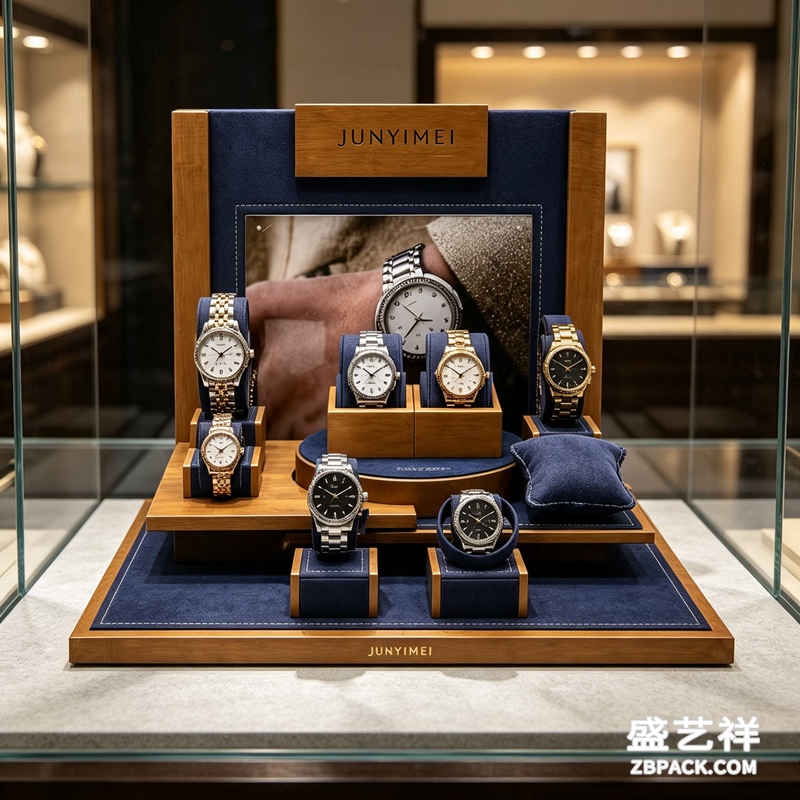 翻盖结构虽然简单,也有关键细节。盒盖与盒体的连接通常用铰链或布脊,铰链款开合角度大、寿命长,布脊款外观一体、更显柔和。盒盖开启后应能稳定停在九十度以上,不会自己回弹扣下,这需要在铰链处做阻尼定位处理。盒扣则优先选用磁扣,磁力以轻轻一碰即吸合、用力能分开为度,磁力过强会损伤敏感的机械表机芯类产品,过弱则盖不严。盒底四角加装小脚垫,既保护桌面,又让盒体与台面之间留出缝隙,取盒时手指好发力。
定制生产时,规格与工艺要和量产能力匹配。模具费与起订量通常由内衬槽位的复杂度决定,槽位单一的款式起订量可以压到很低,槽位复杂的组合款式则适合走常规起订库存。品牌方定制时建议先做一到两件样品,实测产品放入后的松紧度、盒盖闭合的顺畅度以及绒面的观感,确认无误再下单批量。样品的留存也很重要,后续复购时以样品为准对比大货,能有效避免色差与工艺漂移。
最后说成本控制。翻盖丝绒首饰盒的成本大头在绒布与模具,规格小、槽位少的小盒单价最低;同规格下,PU皮比织锦便宜,短毛植绒比珊瑚绒略贵但更显档次。品牌方可以把日常款与礼赠款分开打样:日常款用平绒加磁扣的简洁配置,控制成本;礼赠款用短毛植绒加织锦的升级配置,营造仪式感。两类盒子共用规格与模具,采购量合并,单价还能再让一档。
从规格到工艺,翻盖丝绒首饰盒的设计始终围绕两个字:贴与护。规格贴合产品,内衬护住产品,面料与结构的每个细节都在为这两件事服务。把尺寸量准、把海绵选对、把折边压实,一只两三百元的成本投入,就能让万元级的产品在开盒瞬间传递出应有的分量。
The velvet flip-lid jewelry box is the most classic and durable category in jewelry packaging, found everywhere from cheap silver to expensive diamond rings. Its advantages are simple structure, easy opening and solid lining protection. But because it is so common, many brands ignore the craft details. A qualified flip-lid box needs specifications that match the product and a lining that protects it. This article explains the design from four aspects: box specifications, lining structure, fabric craft and customization points.
The first principle is measuring the product to size the box. Box size is not about looking bigger but fitting tighter. If a ring box is much larger than the ring, the ring shakes inside and the first impression suffers. Common references: single ring box inner size 4 by 4 cm and 2.8 cm deep; pendant boxes sized by pendant diameter plus one centimeter, with over 0.8 cm clearance above the head; earring boxes with twin positions separated by a divider.
Lining structure decides protection. Linings usually have three layers: cardboard base for support, high-rebound sponge for buffering, and velvet surface contacting the product. Sponge density matters: too low and the product sinks when pressed; too high and the lining keeps press marks. A balanced choice is medium-high rebound sponge of 25-35 kg per cubic meter, about two centimeters thick, with pre-pressed slots about half the product height.
Fabric selection depends on use. Coral fleece is soft but collects dust, good for gifting; plain velvet is durable, good for counter display; short-pile velvet is crisp and even, the most common choice. Lamination should use heat pressing rather than glue, which stays flat without adhesive marks. The outer cover uses PU leather or brocade with rounded corners and pressed folds.
The flip structure has key details. Hinges or cloth spines connect lid and body; hinges open wider and last longer, cloth spines look softer. The lid should stay open above ninety degrees without falling back, requiring damped hinge positioning. Magnetic clasps are preferred, with force light enough to close with a touch and easy to open; too strong damages sensitive mechanical watch movements, too weak leaves gaps. Add four small feet at the bottom.
For customization, match specifications with mass production. Mold fees and minimum order quantities depend on slot complexity. Single-slot styles allow low minimums; complex combination styles suit regular stock. Order one or two samples first to test fit, closure smoothness and velvet appearance before bulk ordering. Keep samples for later comparison against production to avoid color and craft drift.
On cost: the main costs are velvet and molds. Small boxes with few slots are cheapest; at the same size, PU is cheaper than brocade, short-pile velvet costs a bit more than coral fleece but looks better. Separate daily styles and gift styles: daily with plain velvet and magnetic clasp for cost, gift with short-pile velvet and brocade for ritual. Sharing specifications and molds across both, merged purchase volumes lower the unit price further.
From specification to craft, flip-lid velvet box design revolves around two words: fit and protect. Specifications fit the product, lining protects it, and every fabric and structure detail serves these two goals. Measure precisely, choose the right sponge, press the folds firmly - a couple of yuan of cost delivers appropriate weight to a product worth ten thousand at the moment of unboxing.
返回资讯列表
Back To News List
规格设计的第一原则是"量物定盒"。首饰盒的尺寸不是越大越显档次,而是越贴合产品越显精致。戒指盒的内径如果比戒指大出太多,戒指在盒内晃动,开盒瞬间观感就差了一截;吊坠盒的深度如果不足,坠头会顶起盒盖,长期使用后盒盖变形。常见的规格参考是:单戒位盒内径四厘米乘四厘米、深二点八厘米,连戒托带戒圈刚好嵌入海绵槽;吊坠盒按坠面直径加一厘米定内径,深度保证坠头与盒盖之间留零点八厘米以上的余量;耳饰盒则按双位并排设计,中间留隔条,防止两枚耳钉相互剐蹭。
内衬结构决定保护力。首饰盒的内衬通常分三层:底层硬纸板提供支撑,中层高回弹海绵缓冲冲击,表层绒布直接接触产品。海绵的密度选择是关键,密度过低,盒体受压时产品会跟着下陷;密度过高,取出产品时海绵不易回弹,久而久之内衬出现按压坑。实践中的折中方案是选用密度二十五到三十五公斤每立方米的中高回弹海绵,厚度两厘米左右,配合预压成型工艺,在绒布面一次性压出产品槽位,槽位深度约为产品高度的二分之一,既固定得住,又方便取放。
绒布与工艺的搭配要看使用场景。翻盖首饰盒的内衬绒布,市面上以珊瑚绒、平绒与短毛植绒为主。珊瑚绒触感柔软但容易藏灰,适合礼赠场景;平绒耐磨耐脏,适合柜台陈列与长期存放;短毛植绒的绒面挺括、反光均匀,显档次,是最常用的内衬选择。绒布与海绵的复合建议使用热压工艺而非胶粘,热压贴合平整、不会出胶印,长期受潮也不易起皱。盒体表面用PU皮或织锦面料包覆,边角做圆角处理,包覆时的折边要压紧压实,避免周角起泡。
翻盖结构虽然简单,也有关键细节。盒盖与盒体的连接通常用铰链或布脊,铰链款开合角度大、寿命长,布脊款外观一体、更显柔和。盒盖开启后应能稳定停在九十度以上,不会自己回弹扣下,这需要在铰链处做阻尼定位处理。盒扣则优先选用磁扣,磁力以轻轻一碰即吸合、用力能分开为度,磁力过强会损伤敏感的机械表机芯类产品,过弱则盖不严。盒底四角加装小脚垫,既保护桌面,又让盒体与台面之间留出缝隙,取盒时手指好发力。
定制生产时,规格与工艺要和量产能力匹配。模具费与起订量通常由内衬槽位的复杂度决定,槽位单一的款式起订量可以压到很低,槽位复杂的组合款式则适合走常规起订库存。品牌方定制时建议先做一到两件样品,实测产品放入后的松紧度、盒盖闭合的顺畅度以及绒面的观感,确认无误再下单批量。样品的留存也很重要,后续复购时以样品为准对比大货,能有效避免色差与工艺漂移。
最后说成本控制。翻盖丝绒首饰盒的成本大头在绒布与模具,规格小、槽位少的小盒单价最低;同规格下,PU皮比织锦便宜,短毛植绒比珊瑚绒略贵但更显档次。品牌方可以把日常款与礼赠款分开打样:日常款用平绒加磁扣的简洁配置,控制成本;礼赠款用短毛植绒加织锦的升级配置,营造仪式感。两类盒子共用规格与模具,采购量合并,单价还能再让一档。
从规格到工艺,翻盖丝绒首饰盒的设计始终围绕两个字:贴与护。规格贴合产品,内衬护住产品,面料与结构的每个细节都在为这两件事服务。把尺寸量准、把海绵选对、把折边压实,一只两三百元的成本投入,就能让万元级的产品在开盒瞬间传递出应有的分量。
The velvet flip-lid jewelry box is the most classic and durable category in jewelry packaging, found everywhere from cheap silver to expensive diamond rings. Its advantages are simple structure, easy opening and solid lining protection. But because it is so common, many brands ignore the craft details. A qualified flip-lid box needs specifications that match the product and a lining that protects it. This article explains the design from four aspects: box specifications, lining structure, fabric craft and customization points.
The first principle is measuring the product to size the box. Box size is not about looking bigger but fitting tighter. If a ring box is much larger than the ring, the ring shakes inside and the first impression suffers. Common references: single ring box inner size 4 by 4 cm and 2.8 cm deep; pendant boxes sized by pendant diameter plus one centimeter, with over 0.8 cm clearance above the head; earring boxes with twin positions separated by a divider.
Lining structure decides protection. Linings usually have three layers: cardboard base for support, high-rebound sponge for buffering, and velvet surface contacting the product. Sponge density matters: too low and the product sinks when pressed; too high and the lining keeps press marks. A balanced choice is medium-high rebound sponge of 25-35 kg per cubic meter, about two centimeters thick, with pre-pressed slots about half the product height.
Fabric selection depends on use. Coral fleece is soft but collects dust, good for gifting; plain velvet is durable, good for counter display; short-pile velvet is crisp and even, the most common choice. Lamination should use heat pressing rather than glue, which stays flat without adhesive marks. The outer cover uses PU leather or brocade with rounded corners and pressed folds.
The flip structure has key details. Hinges or cloth spines connect lid and body; hinges open wider and last longer, cloth spines look softer. The lid should stay open above ninety degrees without falling back, requiring damped hinge positioning. Magnetic clasps are preferred, with force light enough to close with a touch and easy to open; too strong damages sensitive mechanical watch movements, too weak leaves gaps. Add four small feet at the bottom.
For customization, match specifications with mass production. Mold fees and minimum order quantities depend on slot complexity. Single-slot styles allow low minimums; complex combination styles suit regular stock. Order one or two samples first to test fit, closure smoothness and velvet appearance before bulk ordering. Keep samples for later comparison against production to avoid color and craft drift.
On cost: the main costs are velvet and molds. Small boxes with few slots are cheapest; at the same size, PU is cheaper than brocade, short-pile velvet costs a bit more than coral fleece but looks better. Separate daily styles and gift styles: daily with plain velvet and magnetic clasp for cost, gift with short-pile velvet and brocade for ritual. Sharing specifications and molds across both, merged purchase volumes lower the unit price further.
From specification to craft, flip-lid velvet box design revolves around two words: fit and protect. Specifications fit the product, lining protects it, and every fabric and structure detail serves these two goals. Measure precisely, choose the right sponge, press the folds firmly - a couple of yuan of cost delivers appropriate weight to a product worth ten thousand at the moment of unboxing.